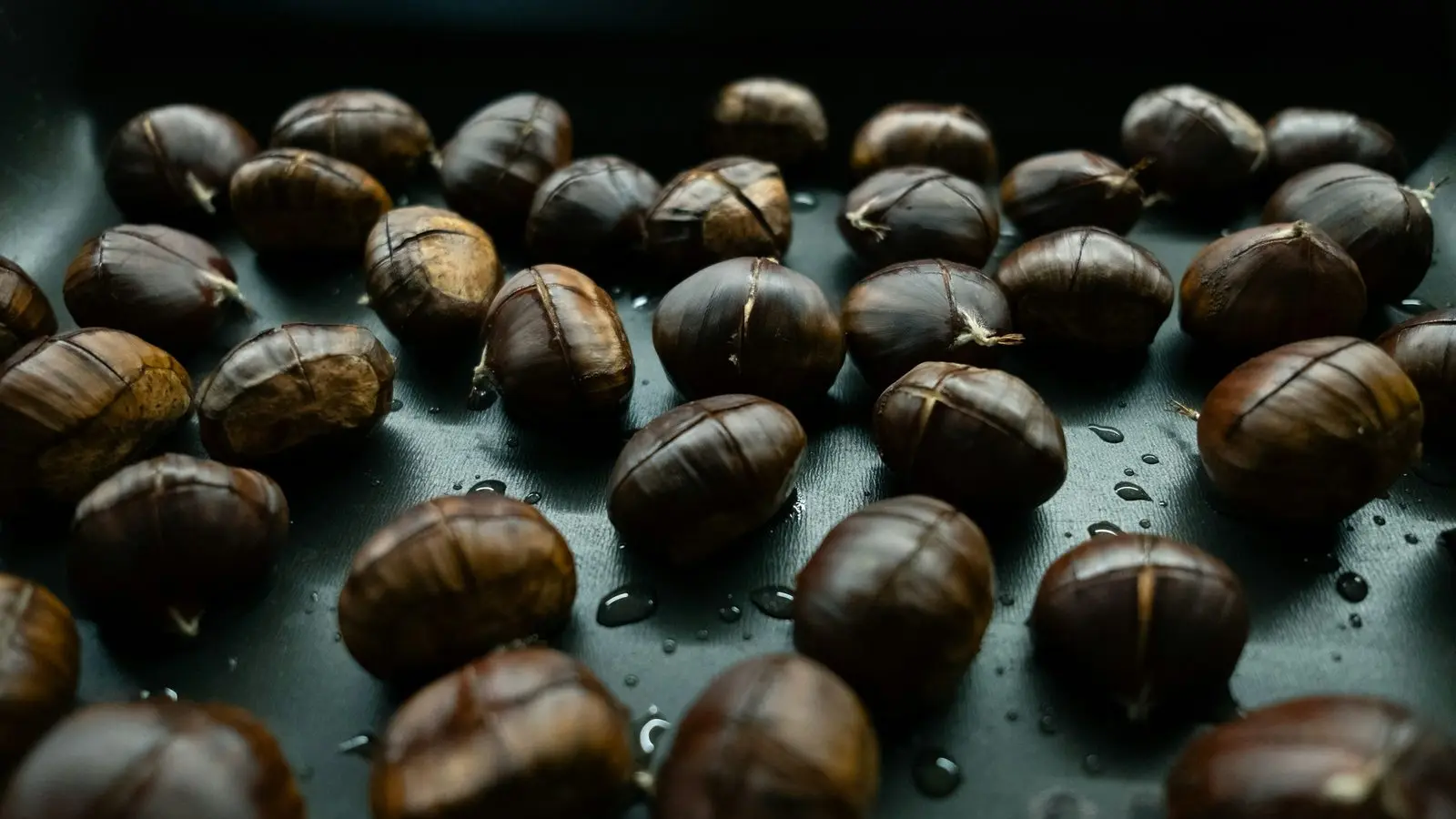
Roast chestnuts, potatoes in the embers and marshmallows in a clay chiminea
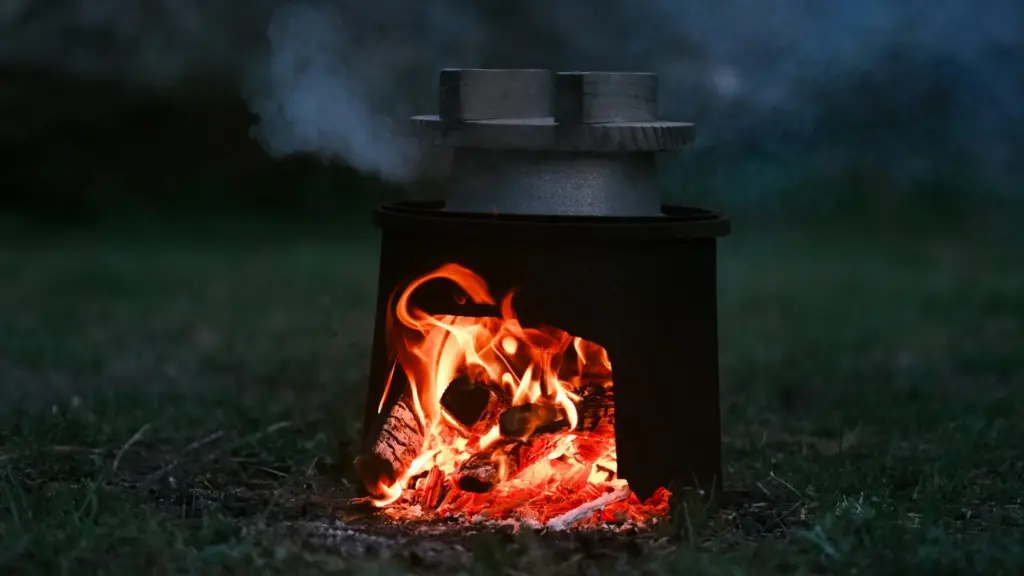
Yes, you can roast simple things in a clay garden chiminea: scored chestnuts, potatoes wrapped in foil, marshmallows or little sausages on a stick, slices of bread. Everything is done over the embers, not over big flames, with your hand kept well away from the mouth. What you don’t do: put heavy pots or pans on the mouth or the chimney, or let a lot of fat drip into the vessel.
November is the month of roast chestnuts and short days, when the fire gets lit early. A clay chiminea is designed first and foremost for warmth and atmosphere, not as a barbecue, but its embers are good for a few snacks. Here is how to make them without straining the ceramic.
The basic rule: wait for the embers
Big flames burn the outside and leave the inside raw, and smoke from freshly added wood gives a bitter taste. Embers, meaning wood burned down to glowing red coals, give a steady heat with almost no smoke. So:
- light the fire early, with dry hardwood; lighting step by step is covered in how to light a fire in a garden chiminea;
- let it burn until a layer of embers forms;
- only then start roasting, and if you add more wood, add one small piece at a time, on one side of the vessel, so there are free embers on the other.
Chestnuts roasted on an open fire
- Choose edible chestnuts. Sweet chestnuts, the kind you eat, not the wild horse chestnuts from the park, which are not edible.
- Score every chestnut. A cross-shaped cut or a line on the rounded side. Without it, the steam inside can make them burst.
- Put them near the embers, not in the flames. The easiest way is a loosely closed foil parcel placed next to the embers. You can also use a light pan with holes and a long handle, held over the embers.
- Turn them often. Shake the parcel or pan so they roast evenly.
- Test one. They are ready when the shell has opened at the cut and the inside is soft. Then keep them wrapped in a tea towel for a few minutes: they peel more easily.
Potatoes in the embers, in foil
Potatoes baked in the embers are the simplest autumn snack. Wash them, prick them a few times with a fork, wrap them in two layers of foil and set them next to the embers, not under a big fire. Turn them now and then with long tongs. The time depends on the size of the potato and how strong the embers are, so test one with a skewer: if it goes in easily to the middle, they’re done. Small potatoes of the same size cook more evenly. You can also add a slice of onion, a little salt and a knob of butter to the foil.
Marshmallows, sausages and bread on a stick
- use long sticks or metal skewers with a handle, so your hand stays away from the mouth;
- hold the food over the embers, not in the flames: marshmallows catch fire easily and bread burns on the outside;
- hold sausages a little higher, so not too much fat drips into the vessel;
- put hot skewers on a tray or in a dish, not on the grass or upholstered furniture.
With children, the rule is the same as at any fire: an adult next to them and a clear limit on how close they come. The details are in garden chiminea safety.
What not to do with a clay chiminea
- Don’t put pots, cauldrons or heavy pans on the mouth or the chimney. Clay is not a hotplate; weight and heat concentrated in one spot strain it needlessly. For cooking with a pot, a garden stove is the right tool; the difference is explained in garden stove or clay chiminea.
- Don’t cook over big flames to speed things up. A fire so big that it comes out of the mouth or the chimney is good neither for the food nor for the vessel.
- Don’t let a lot of fat run into the vessel: it burns smokily and leaves marks.
- Don’t use lighter fluid, and don’t burn painted or treated wood: the smell and taste end up on the food.
- Don’t pour water into the vessel at the end, not even to “clean” it. Let the fire go out by itself and the chiminea cool down until the next day.
The right wood for snacks
For anything you roast over a fire, the wood affects the taste too. Dry hardwood (beech, hornbeam, oak) makes good embers. Fruit-tree wood (apple, cherry, sour cherry, plum) also smells pleasant. Softwoods (fir, spruce, pine) crackle, throw sparks and give resin-flavoured smoke, so keep them for lighting only. More on fuel is in what to burn in a garden chiminea.
After the snack
Small bits of shell or food that fall into the vessel burn along with the fire. Anything that dripped onto the sand can be removed the next day, together with the cold ash. Don’t scrub the vessel while it’s warm and don’t wash it with water. How to remove the ash and what to do with it is in ash from a garden chiminea.
Our chiminea, in brief
Sparkle Stone chimineas are handmade from 100% natural, kiln-fired clay, withstand 500-600 °C, stand 87 cm tall on the triple stand and come with a protective lid. The wide bowl keeps the embers within easy reach, through the mouth. See our clay garden chimineas or go straight to the model with blue ornaments. The current price is on the product page.
Can I roast chestnuts in a clay chiminea?
Yes. Score them, put them in a foil parcel or a light, long-handled pan held in your hand next to the embers, and turn them often until the shells open.
How do you bake potatoes in the embers?
Prick them with a fork, wrap them in two layers of foil and set them next to the embers, not under the flames. Turn them now and then and check with a skewer that they’re soft in the middle.
Can I put a frying pan on a garden chiminea?
Don’t rest it on the mouth or the chimney. A light pan held in your hand over the embers is fine; heavy pots and cauldrons are not.
What wood should I use when roasting food over a fire?
Dry hardwood for the embers and, if you have it, fruit-tree wood for the aroma. No softwoods, no painted or treated wood and no lighter fluid.