Gas, Bioethanol or Wood-Burning Garden Fireplace: Which to Choose for Your Garden and Terrace
An outdoor gas fireplace, or a gas fire table, lights at the push of a button, with no ash and no sparks, but it usually gives less heat and needs a gas bottle or a mains connection. Bioethanol is easy to use, with no smoke and no ash, but it has a small flame and needs care when refilling. Wood gives you the real fire, with the crackle, the smell, the embers and the heat radiated by hot clay, at the cost of smoke, ash and a supply of dry logs. Choose by what you want from the evening, not by what is “better” in general.
The question comes up often when you’re choosing a fire for the garden: is a gas or bioethanol fireplace worth it instead of a wood-burning one? Below are the three options, compared on the same criteria. The comparison with patio heaters (gas mushroom heaters and electric ones) is separate, in how to heat your terrace in the evening.
What each one is
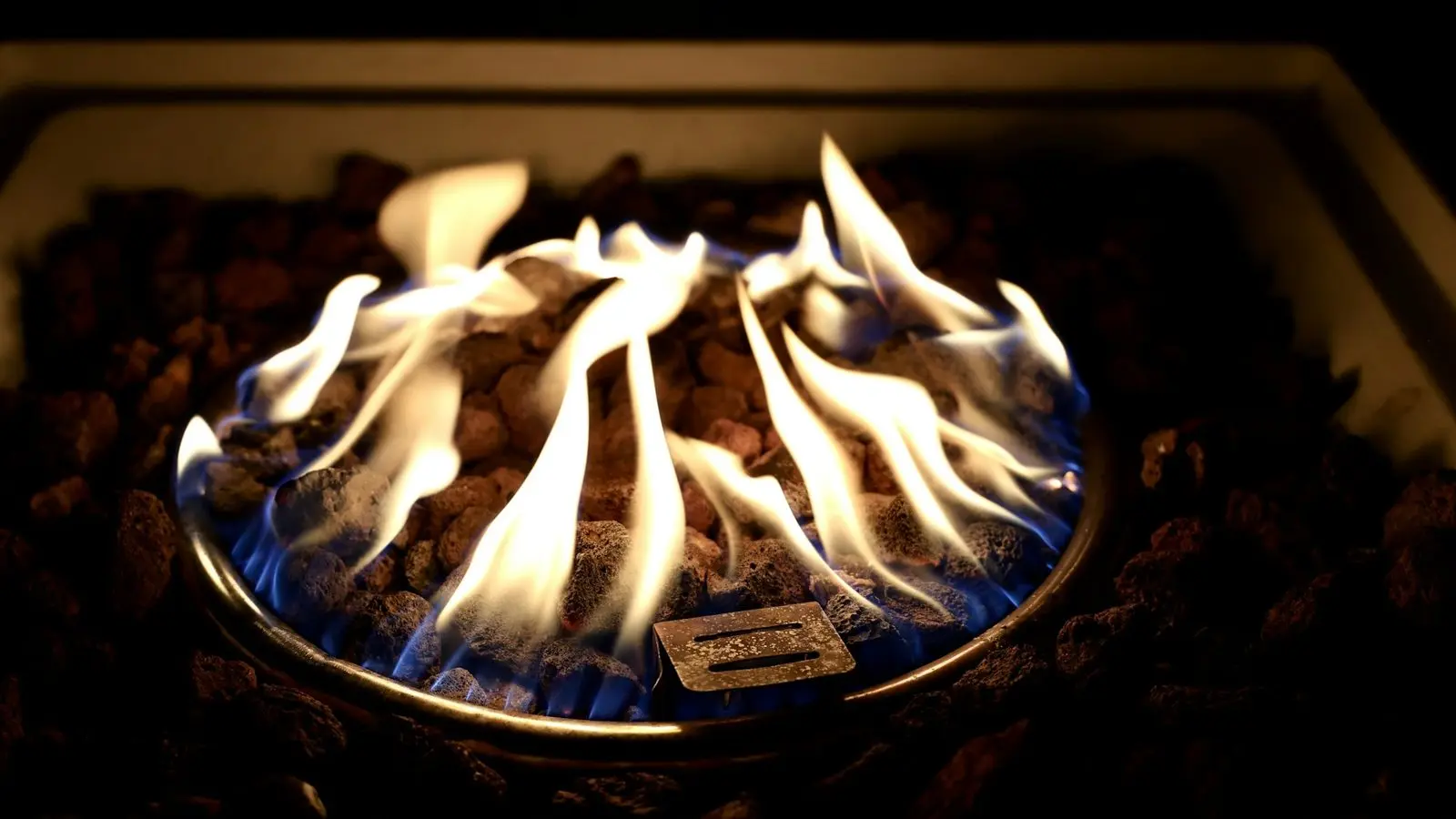
- Gas: a fire table, a fire bowl or an outdoor “fireplace” with a burner, fed from a gas bottle with a regulator (usually hidden inside the table) or from the house’s gas supply. The flame plays among decorative stones or ceramic logs.
- Bioethanol: a burner into which you pour liquid alcohol fuel. It needs no connection, it’s easy to move, and the flame is small and clean.
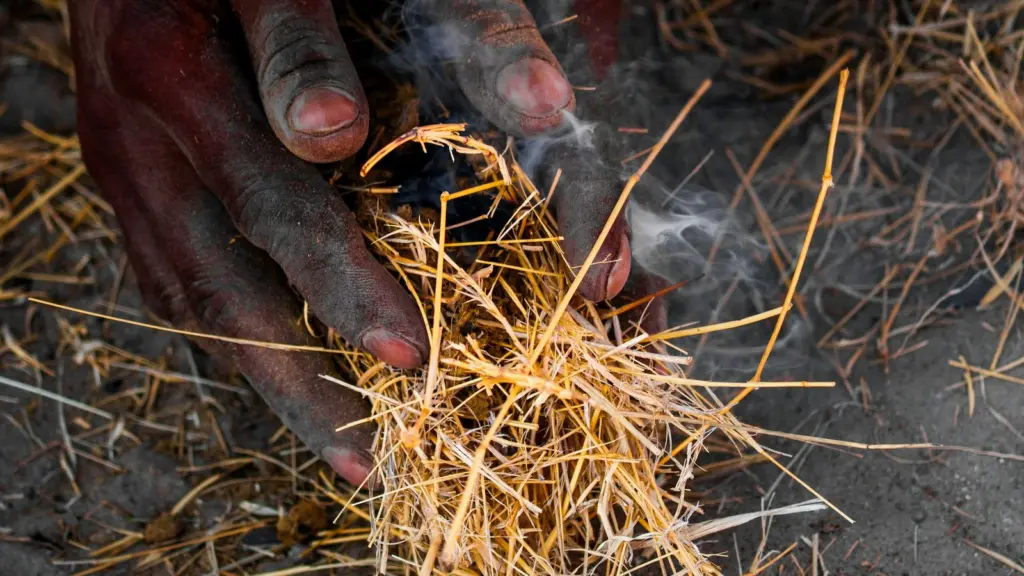
- Wood: an open fire pit or a garden chiminea made of clay or metal, in which you burn dry wood and, when needed, a little charcoal.
Heat
With gas and bioethanol, the flame is mainly decorative: it warms the hands and faces of the people next to it, but less than a wood fire of the same size. A wood fire gives more heat, and a hot clay bowl radiates it steadily through the mouth, even after the flames die down. Temperatures, explained in plain terms, are in how hot a clay garden chiminea gets.
Smoke, smell and sparks
Here gas and bioethanol win: no wood smoke, no sparks, no smell in your clothes. Wood makes smoke, especially while lighting and with damp wood. A chiminea with a chimney draws it upwards, but doesn’t make it disappear. If your neighbours are close by or sensitive to smoke, weigh this seriously; how to cut down wood smoke is covered in smoke and the neighbours.
Atmosphere
For many people, this is where the decision is made. A wood fire crackles, smells, changes from one minute to the next, makes embers, and someone looks after it. A gas fire is calm, even, always the same. Both are beautiful; they make for different evenings.
Fuel and lighting
- Gas: the bottle is swapped or refilled; a connection to the house’s gas supply must be made only by a qualified gas fitter. You switch it on and off with a button.
- Bioethanol: bought by the canister. Pour it only into a cold, extinguished burner, never over a flame or into a burner that is still hot, and wipe up spills at once. In daylight the flame is hard to see.
- Wood: you need dry hardwood, stored out of the rain. Lighting takes a few minutes, and at the end the fire is left to burn down to ash on its own.
Safety
All three outdoor options in this article are open fires and are used only outside, with open air above them: not on an enclosed terrace and not in the garage (see a wood-burning chiminea on an enclosed terrace). With gas, check the hose and regulator at the start of the season, and keep the bottle in the shade, protected from knocks. With bioethanol, the refilling rule above is the most important one. With wood, sparks call for distance: 2-3 m from walls, wooden fences and fabrics, with paving slabs or stone underneath.
Maintenance
Gas and bioethanol leave no ash; the burner just needs cleaning now and then. Wood leaves ash, which is removed once cold and can be used in the garden. A clay chiminea also needs curing at the start, moderate fires and shelter from frost in winter.
In short: which to choose
- Gas, if you want fire at the push of a button, without smoke, on a terrace with neighbours close by, and moderate heat is enough for you.
- Bioethanol, if you want a small, decorative fire with no connection, easy to move.
- Wood, if you want the real fire, more heat and embers for chestnuts and potatoes, and you don’t mind tending the fire. For the differences between an open fire pit and a clay chiminea, read fire pit or clay chiminea.
Our chiminea, in brief
Sparkle Stone chimineas burn wood: they are handmade from 100% natural, kiln-fired clay, withstand 500-600 °C, stand 87 cm tall on the tripod stand and come with a protective lid. The hot clay radiates heat steadily through the mouth, and the chimney draws the smoke upwards. See our clay garden chimineas or go straight to the model with blue ornaments. The current price is on the product page.
Which heats better, a gas fireplace or a wood-burning one?
Usually the wood-burning one. A gas flame is mostly decorative, while a hot clay chiminea keeps radiating heat steadily even after the flames die down.
Is a bioethanol fireplace safe outdoors?
Yes, if you follow the manufacturer’s rules: refill it only when cold and extinguished, wipe up any spills, keep it away from strong wind and anything flammable, and never leave it unattended.
Can I put a gas burner in a clay chiminea?
It’s not a good idea. Our clay chimineas are designed for wood and, in moderation, charcoal. A gas or bioethanol burner placed in the bowl is not a combination that has been tested for clay.
What makes less smoke with neighbours nearby?
Gas and bioethanol make no wood smoke. With a wood fire, smoke drops a lot with dry wood, a small fire lit from the top and a chiminea with a chimney, but it doesn’t disappear.